
Complete Guide
Life Insurance: Complete Guide
Everything you need to know about life insurance—how it works, who needs it, and how to choose the right policy.
Read More →Expert guidance to help you find the right policy for you and your family. Compare options, understand coverage, and make informed decisions.
Featured guides on term, whole, and universal life insurance.
Everything you need to know about life insurance—how it works, who needs it, and how to choose the right policy.
Read More →
Why term life is the most affordable option, how it works, and when it's the right choice for your family.
Read More →
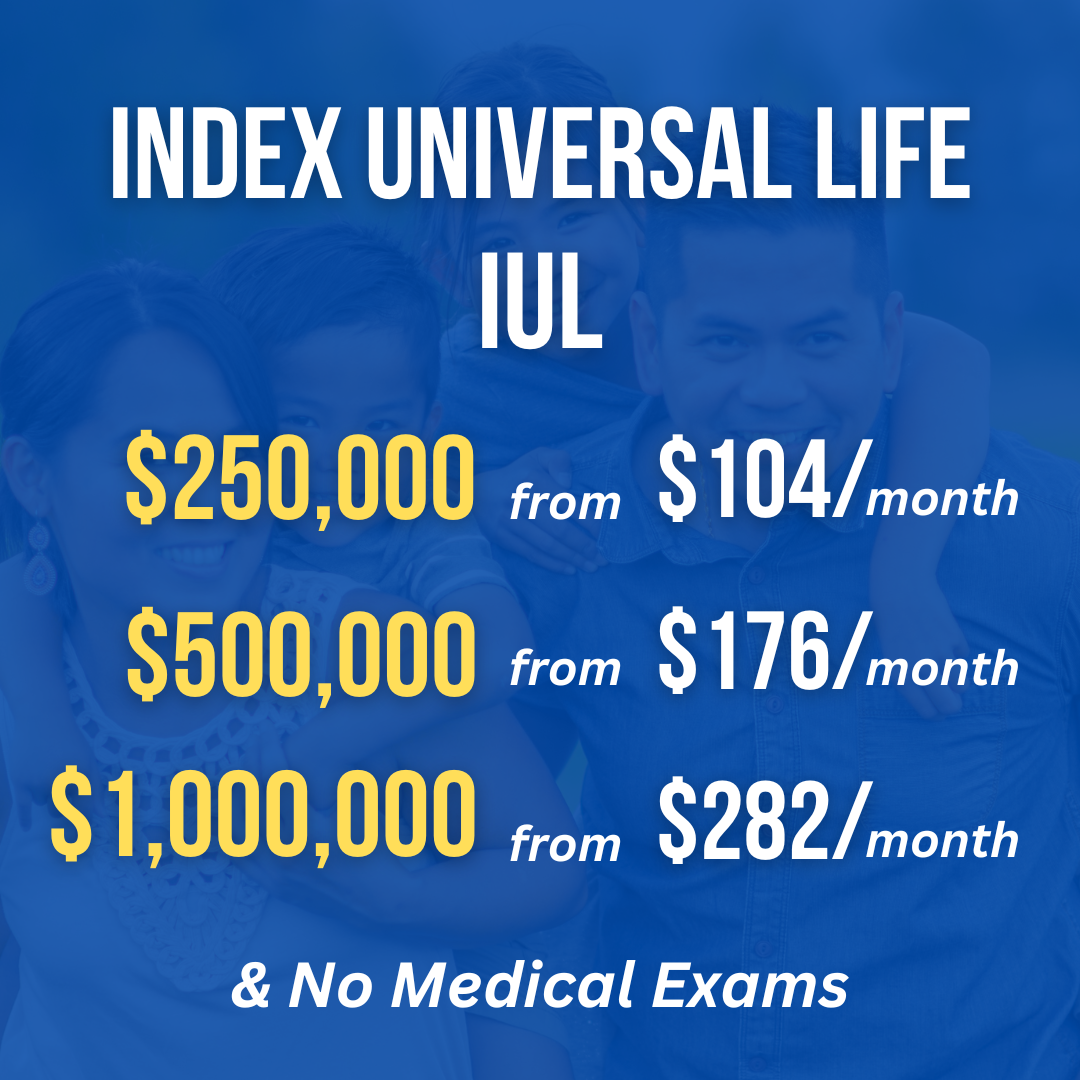
Market-linked growth with downside protection, and why IUL is popular for retirement and legacy planning.
Read More →Articles focused on comparing car insurance options and saving on coverage.

Learn why regularly comparing auto insurance quotes can lower your premiums and strengthen your coverage.
Read More →Resources related to protecting your home and major systems from unexpected costs.

How home warranties help protect your budget from surprise repair bills and simplify unexpected breakdowns.
Read More →Content explaining when travel coverage matters and how it protects your trips.

See how a small add-on at checkout can protect you from medical bills, missed flights, lost bags, and costly emergencies.
Read More →Information about Medicare Advantage and prescription coverage.

What you should know about coverage options and why reviewing your plan each year can matter.
Read More →Help for renters and buyers exploring programs and strategies to buy a home sooner.

Why assumptions about down payments stop buyers—and how assistance programs can change the equation.
Read More →Guidance on big-ticket repair decisions and saving money on home projects.

When to fix, when to replace, and what it costs to wait on major window projects.
Read More →Tips for preventing accidents and keeping your home safer day to day.

Where injuries happen most—bathrooms, kitchens, stairs, garages—and how to make each area safer.
Read More →Strategies for combining debt relief with long-term financial protection.

How protecting your family and managing what you owe can work together instead of against each other.
Read More →Articles on resolving IRS balances and understanding tax relief options.

Understand common IRS relief options and why acting early can prevent interest, penalties, and levies from snowballing.
Read More →Ideas and walkthroughs for earning extra income and putting it to work.

How Freecash and similar platforms can turn spare minutes into extra money you can direct toward savings or protection.
Read More →
Discover how combining debt relief with life insurance creates comprehensive financial security, protecting both your present obligations and future stability.
Read More →
See how a small add-on at checkout can protect you from medical bills, missed flights, lost bags, and costly emergencies.
Read More →
Understand common IRS relief options and why acting early can help prevent interest, penalties, and collection actions from snowballing.
Read More →
Discover how home warranties help protect your budget from surprise repair bills and make handling breakdowns simpler.
Read More →
The 20% down myth keeps many renters from checking their options. Learn how assistance programs and financing options can reduce upfront costs.
Read More →
Where household injuries happen most—bathrooms, kitchens, stairs, garages—and simple upgrades that make a big difference.
Read More →
When to fix, when to replace, and what it costs to wait. Repair vs. replacement based on age, condition, and long-term savings.
Read More →
Turn games, surveys, and app offers into real cash and gift cards. Why small earnings can add up to something meaningful, including life insurance.
Read More →
What you should know about Medicare coverage options and why reviewing your plan each year could make a difference.
Read More →
Learn why regularly comparing auto insurance quotes can lower your premiums, strengthen your coverage, and keep your policy aligned with your real driving profile.
Read More →
Discover why term life is the most affordable option, how it works, and when it's the right choice for your family.
Read More →
Market-linked growth potential with downside protection. Learn why IUL is popular for retirement planning.
Read More →
Permanent coverage with guaranteed cash value growth. Everything you need to know about whole life policies.
Read More →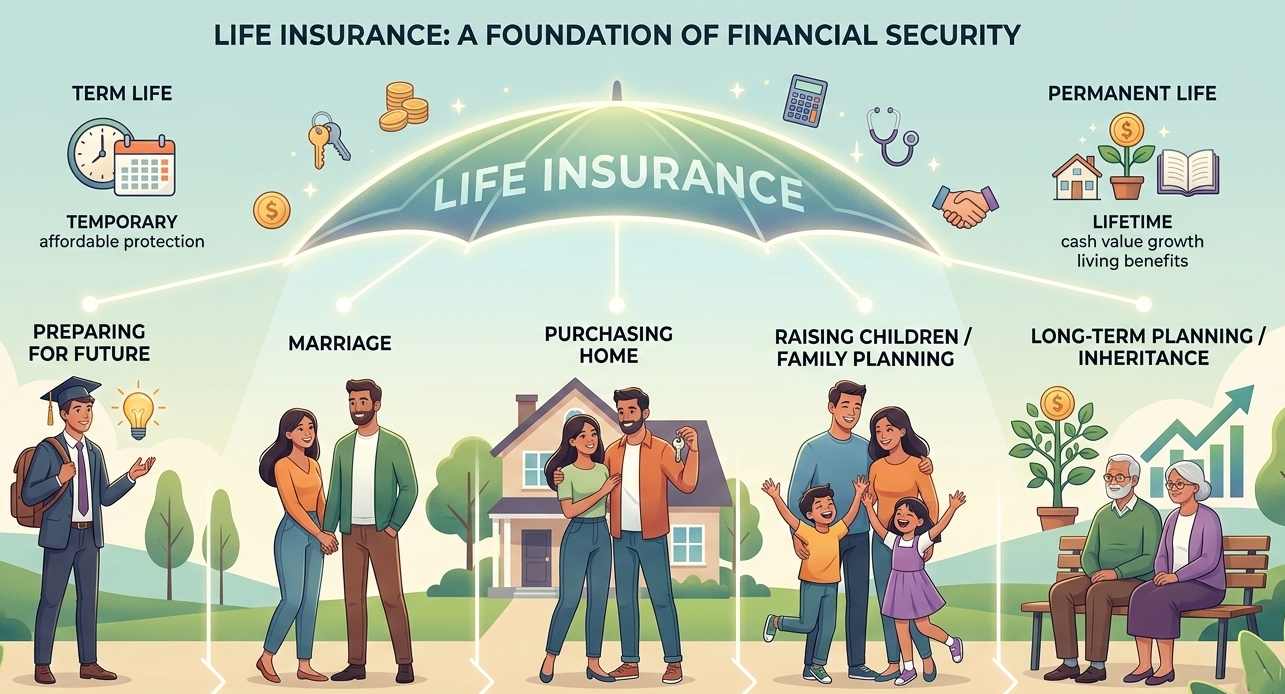
Everything you need to know about life insurance - how it works, who needs it, and how to choose the right policy.
Read More →
Build financial security with clear, practical steps. Learn about retirement accounts, investment strategies, and how to avoid common mistakes.
Read More →
Smart ways to grow your money by keeping more of what you earn through tax-advantaged accounts.
Read More →
How families build, protect, and pass on wealth that lasts for generations.
Read More →
How to build the safety net every household needs for unexpected expenses.
Read More →
Strategies to protect your money, your future, and your peace of mind from financial uncertainties.
Read More →
Long-term protection with built-in flexibility. Learn how universal life combines lifetime coverage with adjustable premiums and cash value growth.
Read More →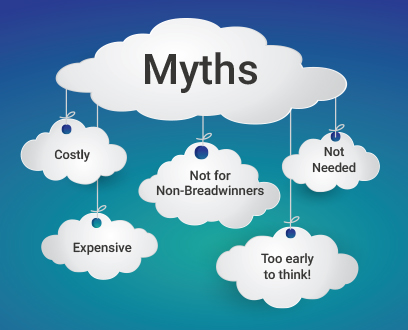
Debunking common myths and misconceptions about universal life insurance. Learn what's true and what's not about flexible premium permanent coverage.
Read More →
Learn how life insurance costs less than you think. Discover affordable options and how to make life insurance fit your budget.
Read More →
Understand the factors that influence universal life insurance pricing: age, health, lifestyle, coverage amount, and more.
Read More →
Learn practical strategies for budgeting life insurance without stress. Discover how to make coverage affordable and sustainable for your financial situation.
Read More →
Compare how daily spending habits like coffee and subscriptions compare to universal life insurance. Learn how intentional spending choices impact long-term financial health.
Read More →
Discover how universal life insurance adapts to your growing income, offering flexible coverage and long-term value that evolves with your financial success.
Read More →
Understand the savings component of permanent life insurance. Learn how cash value grows, how to access it, and whether it fits your financial strategy.
Read More →
Learn how traditional savings differ from insured savings through life insurance. Discover which option fits your financial goals and risk tolerance.
Read More →
Discover how life insurance can complement traditional retirement accounts. Learn about cash value, tax planning, and risk management in retirement.
Read More →
Learn how universal life insurance addresses unique planning challenges for blended families. Discover flexible protection for complex family dynamics.
Read More →
Discover how universal life insurance provides flexible protection for young families. Learn about coverage that grows with your children and adapts to changing needs.
Read More →
Discover how to prepare for life's unexpected events without fear or stress. Learn practical strategies for building confidence and financial flexibility.
Read More →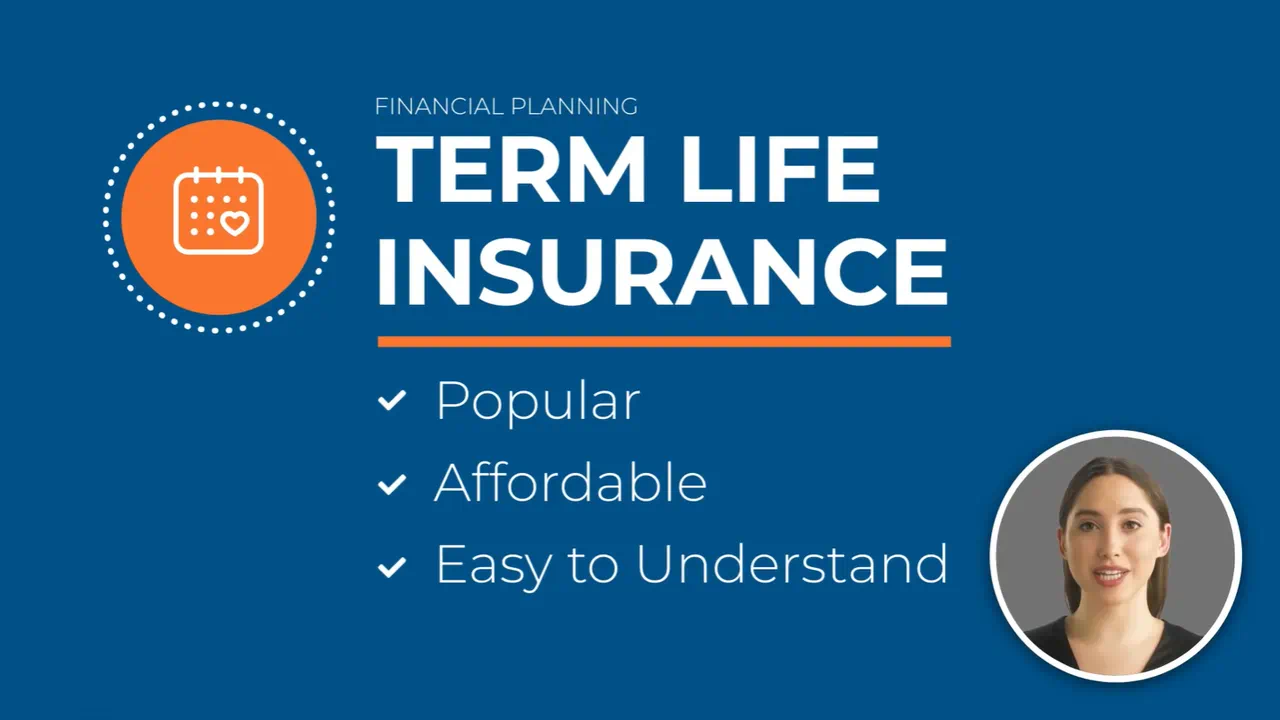
Discover the mindset and habits that lead to lasting insurance success. Learn how to make your policy work with your life for long-term value.
Read More →
Discover the complete process of how beneficiaries receive life insurance payouts. Learn about claim filing, verification, payout options, and timeline.
Read More →
Learn the five essential things everyone should know about life insurance. From protection basics to beneficiary choices, make confident insurance decisions.
Read More →
Discover why standardized life insurance policies often fail. Learn about the need for personalized coverage that adapts to your unique situation.
Read More →
Discover how to help families plan with confidence. Learn strategies for creating clarity, flexibility, and peace of mind in financial planning.
Read More →A common rule of thumb is 10-12 times your annual income. However, the exact amount depends on your debts, income replacement needs, and future expenses like college tuition. Consider these factors carefully to estimate the right amount for your family.
Term life insurance covers you for a specific period (10, 20, or 30 years) and is more affordable. Permanent life insurance (whole life, IUL) lasts your entire life and builds cash value, but costs more. Term is ideal for temporary needs like income replacement, while permanent is better for lifelong coverage and wealth building.
Indexed Universal Life (IUL) is a permanent life insurance policy that offers both a death benefit and cash value growth potential. Your cash value is linked to a stock market index (like the S&P 500) but with downside protection—you won't lose money when the market drops. It's ideal for those seeking life insurance plus tax-advantaged wealth accumulation.
The best time is now! Life insurance premiums are based on age and health. The younger and healthier you are, the lower your rates. Waiting can result in higher premiums or even disqualification due to health issues. Most people should consider coverage when they have dependents or significant debts.
Yes! Many people have multiple policies to cover different needs. For example, you might have a term policy for mortgage protection and an IUL policy for retirement planning. This strategy, called "layering," allows you to customize your coverage as your needs change over time.